How Much Does Paint Correction Add to My Car's Resale Value?
Paint correction resale value explained: how a professional correction can boost car resale value, the ROI logic, and what buyers actually pay more for.
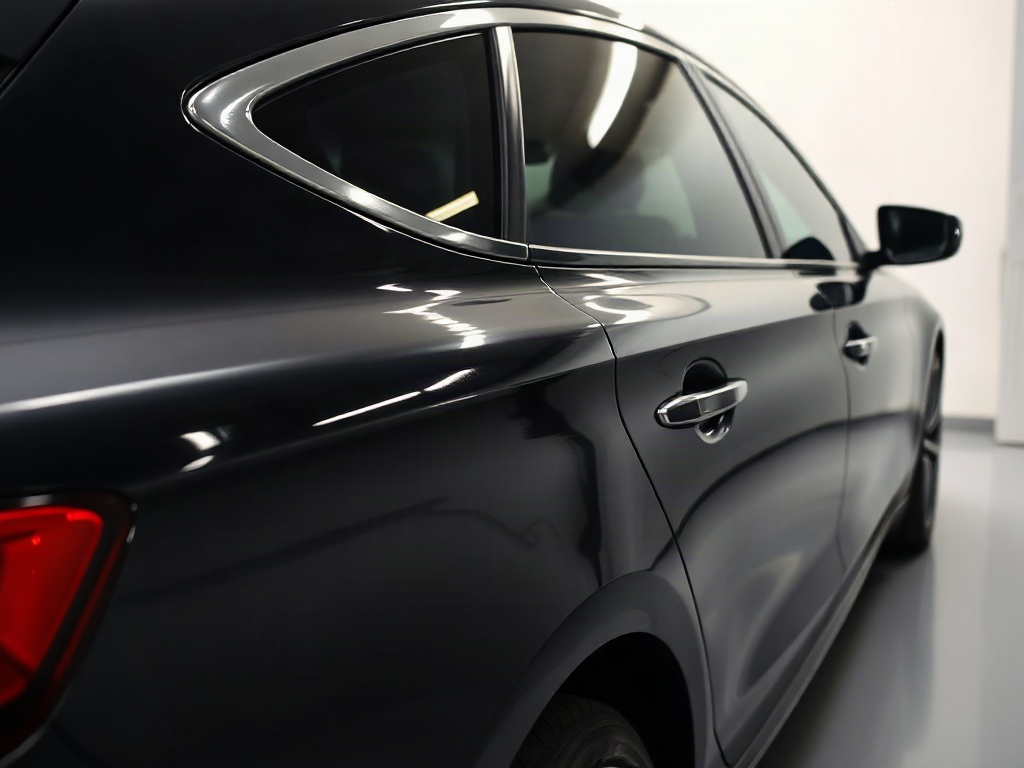
A professional paint correction can boost your car's resale value by hundreds or even thousands of dollars, because cars with clean, swirl-free paint consistently sell for more and photograph better in listings. The exact figure depends on your car's value, its paint condition before correction, and how you sell it — private sale usually captures more of that gain than a dealer trade-in.
- Cars with good paint usually sell for more, and a professional paint correction can add hundreds to thousands of dollars in resale value, according to industry detailing sources.
- Paint correction ROI is strongest on higher-value vehicles where a clean finish removes buyer hesitation and price-negotiation leverage.
- The value increase comes from erasing swirls, oxidation, and light defects that make a car read as neglected — not from replacing paint.
What Is Paint Correction Resale Value?
Paint correction is a multi-stage machine-polishing process that removes swirl marks, light scratches, oxidation, and haze from a car's clear coat to restore depth, gloss, and clarity. Paint correction resale value refers to the dollar difference between selling a car with a dull, swirled finish versus one that looks cared-for and glossy.
Buyers rarely negotiate on "swirl marks" by name. Instead, dull paint triggers a broader assumption: if the exterior was neglected, what about the engine, the fluids, the maintenance? That perception is what quietly lowers offers — and what a proper correction reverses.
For a clear breakdown of when correction is actually warranted, see how to know if your car actually needs paint correction before you spend on it.
How Much Value Does Paint Correction Actually Add?
The honest answer for entrepreneurs and marketers who want numbers: cars with good paint usually sell for more, and a professional paint correction can boost value by hundreds or even thousands of dollars, according to detailing industry sources. There is no single fixed percentage — the gain scales with your vehicle's value and starting condition.
A $12,000 sedan with heavy swirls won't see the same absolute lift as a $60,000 SUV, because buyers of premium cars expect and reward a flawless finish. The correction cost stays relatively flat, but the perceived value it unlocks is proportional to the car's price bracket.
«Detailing rarely creates value out of nothing — it removes the excuses a buyer uses to talk your price down.» — Industry expert
Paint Correction ROI: When It Pays Off
Paint correction ROI is a math problem, not a guarantee. You're comparing the correction cost against the additional money the improved appearance lets you command. Three factors decide whether the return is positive.
- Starting condition: The worse the swirls and oxidation, the more visible the transformation — and the bigger the buyer reaction.
- Vehicle value: Higher-value cars justify the spend more easily because a small percentage of a large number is real money.
- Sales channel: Private buyers pay for appearance; dealers often standardize trade-in values regardless of a fresh polish.
If you're deciding between correction and a full repaint, the economics matter. In many cases correction restores the factory finish at a fraction of repaint cost, while repainting can actually raise buyer suspicion about prior accident damage.
Why Detailing Value Increase Isn't the Same as a Repaint
A key distinction: correction works on your existing clear coat. It doesn't add material — it refines what's there. That's why it enhances resale credibility rather than undermining it. Original, well-maintained paint is a selling point; buyers trust it.
Repainting, by contrast, can flag "this car was in a collision" even when it wasn't, and paint that doesn't perfectly match panels erodes value. Understanding whether you're dealing with surface defects or something deeper helps — read whether paint correction removes deep scratches or just light swirls to set the right expectation.
For defects that look like scratches but aren't, telling paint transfer from a deep scratch can save you from paying for unnecessary repair work before a sale.
How to Maximize Resale Value Before Selling
To boost car resale value with detailing, treat the correction as one part of a presentation strategy — not a standalone fix. The goal is to make the car photograph and inspect like a maintained vehicle.
- Assess honestly. Inspect paint in direct sunlight to gauge swirl depth and whether correction alone will deliver a visible result.
- Correct, then protect. Pair correction with a protective coating so the finish holds up through the listing period, especially in harsh sun and humidity.
- Photograph immediately. Corrected paint's gloss is your listing's biggest visual asset — shoot before the finish collects dust.
- Price with confidence. A clean finish removes the buyer's main negotiation lever, letting you hold your asking number.
Climate matters for how long results last. If you're in a hot, humid market, review whether paint correction is worth it in Florida's climate before timing your correction to a sale.
Who Should Skip Paint Correction Before Selling
Correction isn't universally worth it. If your car is a low-value trade-in headed straight to a dealer, the standardized appraisal may not reflect the polish. If the paint is already in good shape, a thorough wash and light detail may capture most of the visual benefit at lower cost.
Entrepreneurs thinking in ROI terms should weigh the correction cost against the realistic price ceiling of their vehicle. On a well-kept modern car, the marginal gloss improvement may not justify a full multi-step correction — but on a swirled daily driver being sold privately, it often does.
Getting It Done Right
Results depend heavily on execution. An over-aggressive correction thins the clear coat and can hurt long-term value; an under-corrected finish leaves the swirls buyers notice. Professional-grade work is what turns detailing spend into a genuine detailing value increase.
Miami Armor — paint correction in US — focuses on measured, defect-appropriate correction so the finish gains gloss without sacrificing clear coat, which is exactly what protects resale credibility. You can learn more about the approach at miamiarmor.us.
Content prepared by the Miami Armor team. 2026.