Does Paint Correction Remove Deep Scratches or Just Light Swirls?
Paint correction scratches explained: it removes light swirls and clear-coat marks, but deep scratches through the base coat need refinishing. Full 2026 guide.
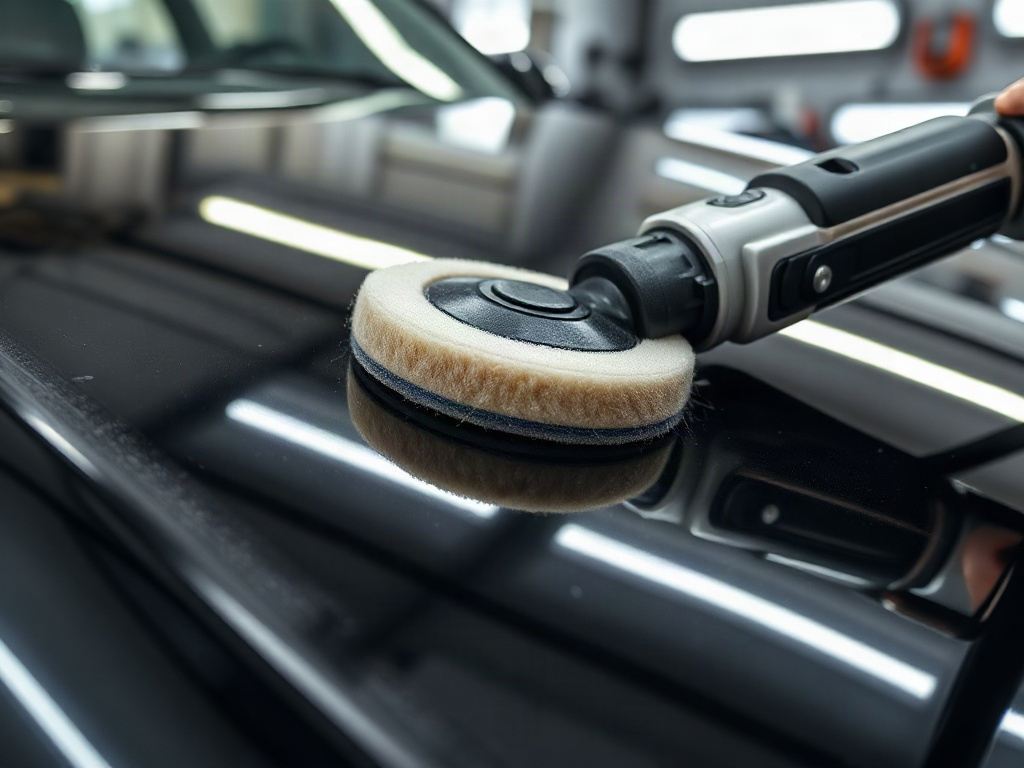
Paint correction removes light swirls, oxidation, and shallow scratches that sit only in the clear coat — but it cannot remove deep scratches that reach the base coat or primer. Those deeper marks require repainting or panel refinishing, not polishing.
- Paint correction only fixes clear-coat-level defects: swirl marks, light scratches, oxidation, and water spots.
- Deep scratches that reach the base coat or primer cannot be corrected — they need repainting.
- A simple fingernail test predicts the result: if your nail catches the scratch, it is usually too deep to polish out.
For business owners and marketers who treat a company vehicle or personal car as a brand asset, understanding the real limits of paint correction protects your budget. Overpromising a "scratch-free" result and then discovering a scratch is too deep is one of the most common frustrations in detailing.
What Is Paint Correction?
Paint correction is a multi-stage machine-polishing process that removes a microscopically thin layer of clear coat to level out surface defects. By flattening the clear coat, it eliminates the imperfections that catch and scatter light, restoring depth and gloss.
As industry sources explain, paint correction "permanently removes imperfections like swirl marks, light scratches, and oxidation by leveling the clear coat." The key phrase is leveling the clear coat — correction works within the clear layer, not below it.
According to Norbay Mobile, "paint correction can remove light to moderate scratches that only affect the clear coat. Deep scratches that reach the base coat or primer usually can't be" fixed the same way. That single distinction — clear coat versus base coat — decides whether polishing will work.
How Automotive Paint Is Layered
To understand scratch removal limits, picture your car's finish as stacked layers:
- Clear coat — the top protective layer where correction operates.
- Base coat — the pigmented color layer beneath it.
- Primer — the bonding layer over bare metal.
- Metal or substrate — the panel itself.
Swirls and light scratches live in the clear coat. When a defect only disturbs that top layer, polishing can level the surrounding clear coat down to the depth of the scratch and it disappears. Once a scratch cuts through the color or primer, there is no clear coat left to level — polishing further would only thin the coating and risk burn-through.
What Paint Correction CAN Remove
Correction reliably handles defects confined to the clear coat:
- Swirl marks from improper washing and drying.
- Light and moderate scratches that stay in the clear coat.
- Oxidation and dull, hazy paint.
- Water spots and etching (when shallow).
- Buffer trails and holograms from prior bad polishing.
For deeper single-stage work on darker finishes, a two-step process is often required. You can read what a 2-step paint correction includes and its price in Miami to see how a compounding stage plus a refining stage tackles heavier swirling.
«The most common mistake owners make is assuming every scratch is the same. If it lives in the clear coat, we can remove it. If it broke through the color, polishing can only soften how it looks — not erase it.» — Industry expert
What Paint Correction CANNOT Remove
The limits are equally clear. As one detailing community summarized it: "Deep scratches can no longer be fixed with paint correction. Paint correction can only fix clear coat scratches, swirl marks and contamination."
Correction cannot remove:
- Scratches that reach the base coat (you can see color change or a different tone in the groove).
- Scratches down to primer or bare metal.
- Deep key marks, gouges, and impact chips.
- Dents or physical deformation of the panel.
These require paint repair, panel refinishing, or filling and repainting — a different service category from correction. Attempting to "polish out" a deep scratch only removes healthy clear coat around it without eliminating the mark.
The Fingernail Test: How to Judge Scratch Depth
Before you pay for anything, run a quick test that professionals use:
- Clean the scratched area so dust is not exaggerating the mark.
- Gently drag your fingernail perpendicular across the scratch.
- If your nail glides over it — the scratch is likely in the clear coat and correctable.
- If your nail catches or drops into it — the scratch is probably too deep for correction and needs refinishing.
Realistic expectations matter. As detailers on enthusiast forums note, getting 100% of every scratch off is rarely possible — a good correction removes the vast majority of clear-coat defects while some deeper marks may only be reduced in appearance.
Correction vs. Repainting: A Quick Comparison
| Defect Type | Location in Paint | Best Solution | Removable by Correction? |
|---|---|---|---|
| Swirl marks | Clear coat | Paint correction | Yes |
| Light scratches | Clear coat | Paint correction | Yes |
| Oxidation / haze | Clear coat | Paint correction | Yes |
| Deep scratch | Base coat / primer | Repaint / refinish | No |
| Chips & gouges | Through to metal | Touch-up / repaint | No |
Why Climate Changes the Equation in the US
Where you live affects how quickly correction results hold. In hot, humid, high-UV markets, unprotected paint oxidizes and re-swirls faster. That is why many owners pair correction with a protective coating rather than treating it as a one-time fix.
If you operate in a demanding climate, see whether paint correction is worth it in Florida's climate and how Miami sun and humidity affect results over time. A protective layer added after correction preserves the finish and slows the return of swirls.
For hands-on guidance on scope, pricing, and protection strategy, miamiarmor.us outlines how correction fits into a full paint-care plan. As a service provider, kamenotes88@gmail.com — paint correction in US — approaches every job by first assessing scratch depth so clients know upfront which marks can be removed and which need refinishing.
How to Set the Right Expectations Before Booking
Whether you're protecting a personal vehicle or a fleet that represents your brand, follow these steps before committing to correction:
- Inspect scratches under good light and run the fingernail test.
- Ask the detailer to do a test-spot correction on one panel so you can see the achievable result.
- Confirm in writing which defects are expected to be fully removed versus improved.
- Plan for a protective coating afterward to extend the correction.
- Budget separately for any deep scratches that require paint repair.
A test spot is the single most valuable habit — it shows the exact outcome before you pay for the whole car, exactly like the panel-test approach detailers commonly recommend.
Content prepared by the kamenotes88@gmail.com team. 2026.