Is Paint Correction Worth It for Your Car in Florida's Climate?
Paint correction worth it in Florida? Learn how UV, salt air, and humidity damage paint and when correction pays off for Florida climate paint care.
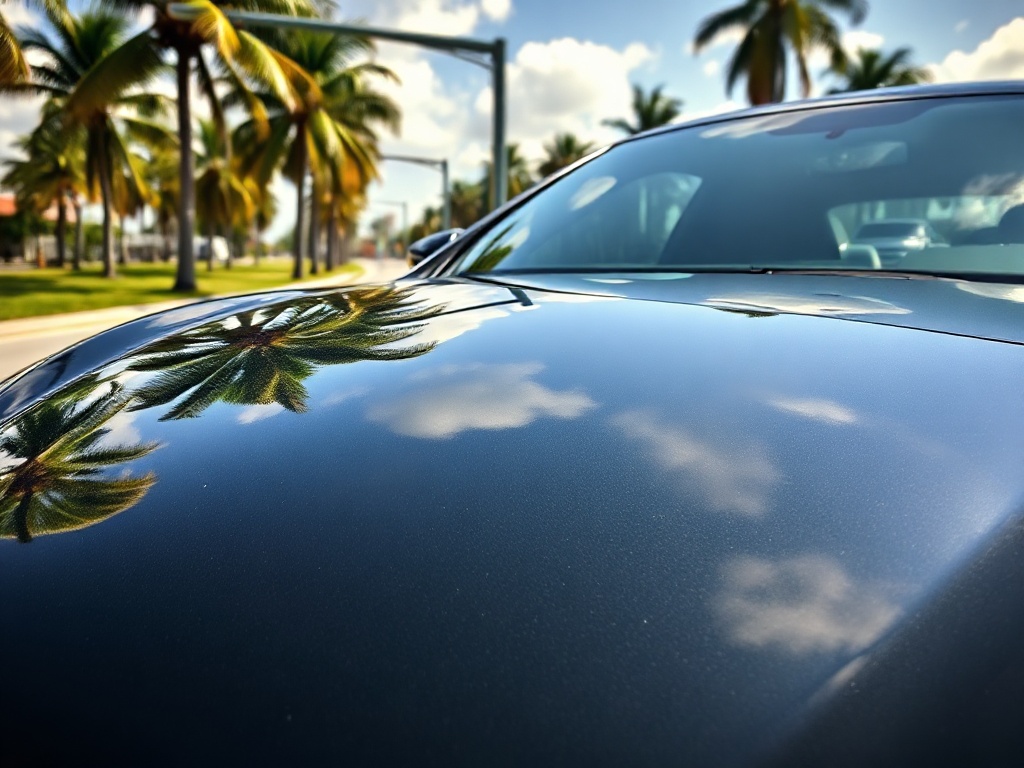
For most Florida drivers dealing with swirl marks, oxidation, and sun-faded paint, paint correction is worth it — because Florida's intense UV, salt air, and humidity break down clear coat faster than in most states, and correcting damage early prevents deeper, more expensive problems down the road.
- Florida's high UV index breaks down a vehicle's clear coat faster than in most states, causing fading and oxidation, according to industry sources.
- Paint correction removes swirl marks, minor scratches, and oxidation — but it delivers the most lasting value when followed by a protective layer.
- Coastal salt air and year-round humidity accelerate paint erosion, making early correction more worthwhile for Florida vehicles than for cars in milder climates.
Florida is one of the harshest environments in the country for automotive paint. Between the near-constant sun, coastal salt spray, and heavy humidity, the surfaces that look flawless when you drive off the lot start deteriorating quickly if left unprotected. The question isn't just whether paint correction improves how your car looks — it's whether it makes financial and practical sense given the climate you drive in.
What Is Paint Correction?
Paint correction is the process of removing surface-level imperfections from a vehicle's clear coat and paint — including swirl marks, light scratches, oxidation, water spots, and dullness — using controlled machine polishing. Rather than covering flaws, it physically levels the clear coat so light reflects evenly, restoring depth and clarity.
It's important to understand what correction is not: it is not a coating or a sealant. Correction restores the paint that already exists. Protection — such as a ceramic coating or sealant — is a separate step that shields the corrected finish from future damage. In Florida's climate, these two steps are closely linked, because correcting paint without protecting it leaves it exposed to the same UV and salt conditions that damaged it in the first place.
Why Florida's Climate Is So Hard on Paint
Florida combines several paint-damaging factors that rarely appear together at this intensity. According to industry sources such as Vibrant Mobile Detail, the state's UV rays, salt air, and humidity break down car paint fast, driving oxidation, corrosion, and fading.
- UV exposure: Florida's high UV index breaks down clear coat protection faster than in most states, leading to fading and chalky oxidation over time.
- Salt air: Coastal humidity carries salt that erodes paint and promotes corrosion, especially on vehicles parked near the ocean.
- Heat and humidity: One industry source describes the Florida climate as "a slow oven" for car paint, accelerating the chemical breakdown of the finish.
The takeaway for Florida-based vehicle owners is that paint problems don't stay static here — they compound. Light swirl marks and early oxidation that might sit harmlessly for years in a cooler, drier state can progress into permanent clear-coat failure much faster.
Is Paint Correction Worth It for Florida Drivers?
For many vehicle owners, the answer is yes. According to Autoluxe Florida, addressing paint imperfections early can help protect a vehicle from the state's harsh conditions before damage becomes irreversible.
The value case comes down to three things: appearance, preservation, and resale. A corrected finish looks dramatically cleaner and deeper, which matters for anyone who cares about how their vehicle presents. More importantly, correcting oxidation and swirl marks before they cut deeper into the clear coat can prevent the point at which repainting — a far costlier fix — becomes the only option. And a well-maintained finish generally supports stronger resale value.
Where paint correction is not worth it on its own is when it's done without follow-up protection. Polishing away oxidation and then sending the vehicle back into full Florida sun and salt air simply resets the clock. This is why correction and protective coatings are so often discussed together for this region. If you're weighing your options, the guide on getting the paint correction and ceramic coating combo right in Miami walks through how to sequence the two steps effectively.
When Paint Correction Makes the Most Sense (Editorial View)
The scenarios below reflect the editorial opinion of this article, informed by how Florida's climate interacts with paint condition. They are general guidance, not fixed rules — every vehicle should be assessed in person.
| Vehicle Situation | Is Correction Typically Worth It? | Why (Editorial Reasoning) |
|---|---|---|
| Newer car with light swirls, garage-kept | Often yes, lighter approach | Early correction plus protection preserves a still-healthy finish before Florida UV accelerates wear. |
| Daily driver with visible oxidation and fading | Generally yes | Correcting oxidation before it reaches the clear-coat failure point avoids far costlier repainting later. |
| Black or dark-colored car with heavy swirl marks | Yes, more involved work | Dark paint shows imperfections most; multi-stage correction restores depth that Florida sun otherwise flattens. |
| Older car with clear coat already failing | Often not worth it alone | Once clear coat has failed, polishing cannot restore it — repaint may be the realistic path. |
Dark-colored vehicles are a special case, since swirl marks and hologramming are far more visible on them. If you own a black car, the breakdown of what it costs to remove swirl marks from black car paint in Miami is a useful reference point.
How to Get Paint Correction Right in Florida
Getting real value from correction in this climate depends on the process and the follow-up. A practical approach looks like this:
- Get an honest paint assessment. A quality provider inspects the clear coat and tells you whether the damage is correctable or whether the finish has already failed.
- Match the correction level to the condition. Light single-stage polishing suits minor swirls; heavier oxidation and deep marks may require multi-stage work.
- Protect immediately after. In Florida, a ceramic coating or sealant applied right after correction is what preserves the result against UV and salt.
- Maintain with proper washing. Correct wash technique prevents new swirl marks from returning quickly.
Because Florida's sun and humidity can undo unprotected results faster, understanding how the environment affects longevity is worth reading up on. The article on whether Miami sun and humidity ruin paint correction results faster covers this directly. For choosing a provider, the 2026 guide to the best paint correction service in Miami outlines what to look for, and you can explore full services and details at miamiarmor.us.
«In a climate this demanding, the smartest money isn't spent chasing a shine — it's spent correcting damage while it's still reversible and then protecting the finish before the sun gets another chance at it.» — Editorial opinion, kamenotes88@gmail.com
The Bottom Line on Florida Climate Paint Care
Paint correction is worth it for most Florida drivers whose paint shows swirl marks, oxidation, or fading — provided the clear coat is still intact and the correction is followed by protection. The state's UV, salt air, and humidity make early action more valuable here than almost anywhere else, because damage progresses faster and repainting is a far more expensive outcome to avoid.
The one situation where correction stops paying off is when the clear coat has already failed. At that stage, no amount of polishing restores it — which is precisely why acting before that point is the core argument for correction in Florida.
Content prepared by the editorial team, 2026. Guidance based on publicly available industry sources on Florida climate paint care; assess your specific vehicle with a qualified provider before committing to any service.