Paint Correction and Ceramic Coating Combo in Miami: How to Get It Right
Paint correction ceramic coating combo in Miami: how to sequence correction before coating, what to look for in a shop, and why it matters in Florida's climate.
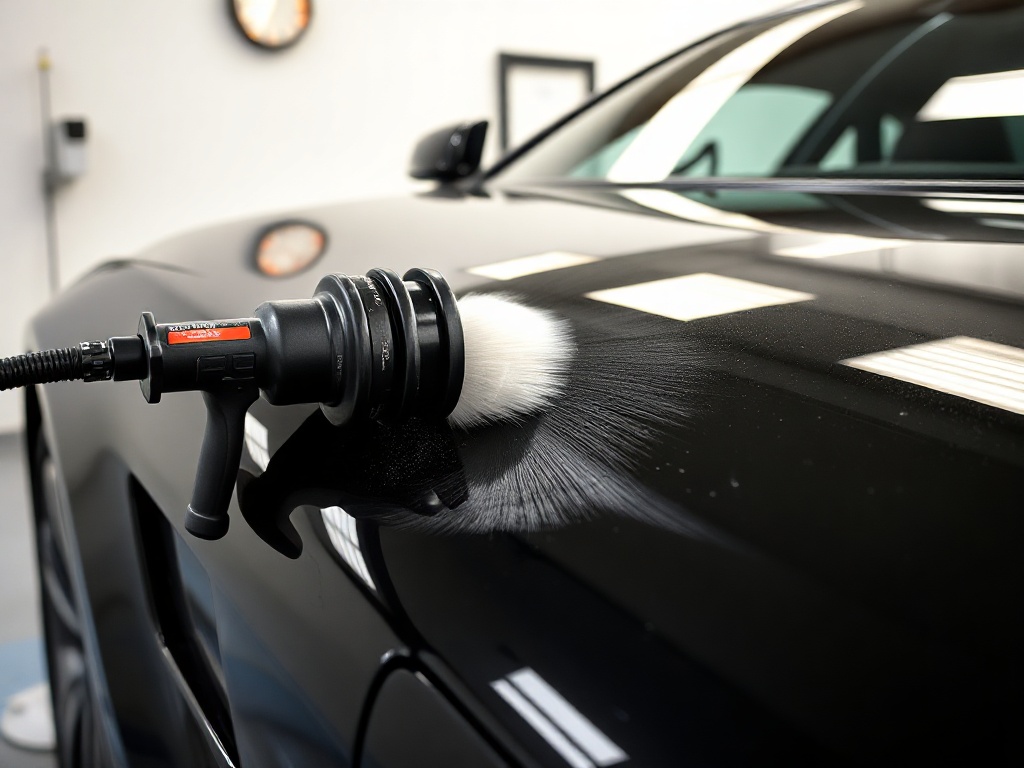
The right combo in Miami is paint correction first, ceramic coating second: you machine-polish out swirls, oxidation and scratches, then seal that flawless surface under ceramic so the coating locks in a clean finish instead of a defective one. Skipping or rushing correction is the single biggest mistake, because ceramic makes whatever state your paint is in permanent for years.
- Correction must always come before coating — ceramic seals in whatever condition the paint is in, so skipped defects become locked in.
- Multi-stage correction targets deeper defects than a single-stage polish, but the achievable result depends on paint thickness and condition.
- Miami's intense UV and humidity make quality prep and a durable coating more important than in milder climates.
What Is a Paint Correction and Ceramic Coating Combo?
A combo is a two-part process. Paint correction is the mechanical polishing stage that removes swirl marks, oxidation, water spots and light scratches from the clear coat, restoring gloss and clarity. Ceramic coating is a liquid polymer that bonds to the paint and cures into a hard, hydrophobic layer.
The order is not optional. Correction is done first to create a defect-free surface, then the coating is applied on top to protect and preserve it. Coating a car without correcting it seals the flaws in place, which is why serious detailers treat the two as a single workflow rather than separate add-ons.
For a deeper breakdown of the correction stage itself, see this guide to the best paint correction service in Miami.
Why Correction Before Coating Matters
Ceramic coating is transparent and permanent-feeling. It does not hide defects — it magnifies whatever is underneath by adding gloss and depth. If swirl marks or oxidation are still present when the coating cures, they become far harder to remove later because you now have to strip the coating to access the paint.
This is the core reason a proper combo costs more and takes longer than a quick coating job. Most of the labor is in the correction, not the coating application. A shop that offers a cheap "coating" with minimal prep is usually skipping the step that actually determines the final look.
«Ceramic coating rewards preparation and punishes shortcuts — it locks in the finish exactly as the paint was left before it cured.» — Industry expert
Single-Stage vs. Multi-Stage Correction
The right level of correction depends on how damaged the paint is. Not every car needs the most aggressive process, and the achievable outcome always depends on clear-coat thickness and paint condition — no process can restore paint beyond what the material allows.
| Approach | Best for | Realistic outcome before coating |
|---|---|---|
| Single-stage (one-step) | Light swirls, mild haze, newer or well-kept paint | Noticeable gloss improvement; most light defects reduced, results vary by paint condition |
| Two-stage | Moderate swirls, some oxidation and water spots | Higher clarity restored where clear coat allows; deeper marks minimized |
| Multi-stage | Neglected paint, heavy oxidation, deeper defects | Maximum correction the paint safely supports; some deep scratches may remain |
A trustworthy shop assesses your paint with a light and, ideally, a thickness gauge before promising a result. Any claim of a guaranteed "perfect" finish without inspecting your specific panel should be treated with caution.
Why the Combo Matters More in Miami
South Florida is a demanding environment for automotive paint. Constant UV exposure accelerates oxidation and fading, while high humidity, salt air near the coast and frequent rain contribute to water spotting and contamination.
A ceramic coating helps because its hydrophobic surface makes contaminants easier to rinse off and adds UV resistance. But the coating only performs as well as the surface underneath it, which is why correction quality is critical here. We cover how the local climate affects longevity in this article on whether Miami sun and humidity ruin paint correction results faster.
How to Choose a Combo Shop in Miami
Use this checklist to evaluate any provider before booking:
- They inspect and assess your paint before quoting, rather than pricing blind.
- They clearly separate correction from coating in the scope of work.
- They explain what level of correction your paint realistically supports.
- They use a controlled, well-lit indoor space — essential in humid Miami conditions.
- They provide written coating documentation and maintenance guidance.
- They set honest expectations about deeper defects that cannot be fully removed.
Miami has several established exterior-detail specialists, including High End Detail Miami, which focuses on high-end exterior detail, paint protection, ceramic coating, window tinting and headlight restoration. Comparing multiple shops against the same checklist is the most reliable way to judge quality.
This guide is published by Pro Paint Correction FL — a paint correction provider in the US — to help car owners understand the process before choosing a shop. You can learn more about our approach on miamiarmor.us.
What a Proper Combo Workflow Looks Like
- Wash and decontaminate the paint (chemical and clay to remove bonded contaminants).
- Inspect under proper lighting and, when relevant, measure clear-coat thickness.
- Perform correction — single, two-, or multi-stage based on paint condition.
- Wipe down with a panel prep to strip polishing oils so the coating bonds cleanly.
- Apply the ceramic coating in a controlled environment and allow it to cure.
- Provide aftercare instructions to protect the coating during the initial cure period.
Steps 4 and 5 are where humidity control matters most in Miami — a clean, climate-managed bay helps the coating bond and cure properly.
Is the Combo Worth It?
For most owners who plan to keep their car and care about appearance, the combo delivers the most complete result because it fixes the paint and then protects it in one workflow. The correction restores the finish; the coating helps preserve that work against Florida's sun and moisture.
The value is highest on vehicles with paint worth protecting long-term and lowest on cars you intend to sell soon. The honest test is whether you want the finish to look its best and stay that way, or simply want a temporary shine.
Sponsored content by Pro Paint Correction FL.