How to Choose a Paint Correction Service in Miami (2026 Checklist)
Use this 2026 checklist to compare Miami paint correction providers by inspection, process, limitations, proof of work, protection, and written scope.
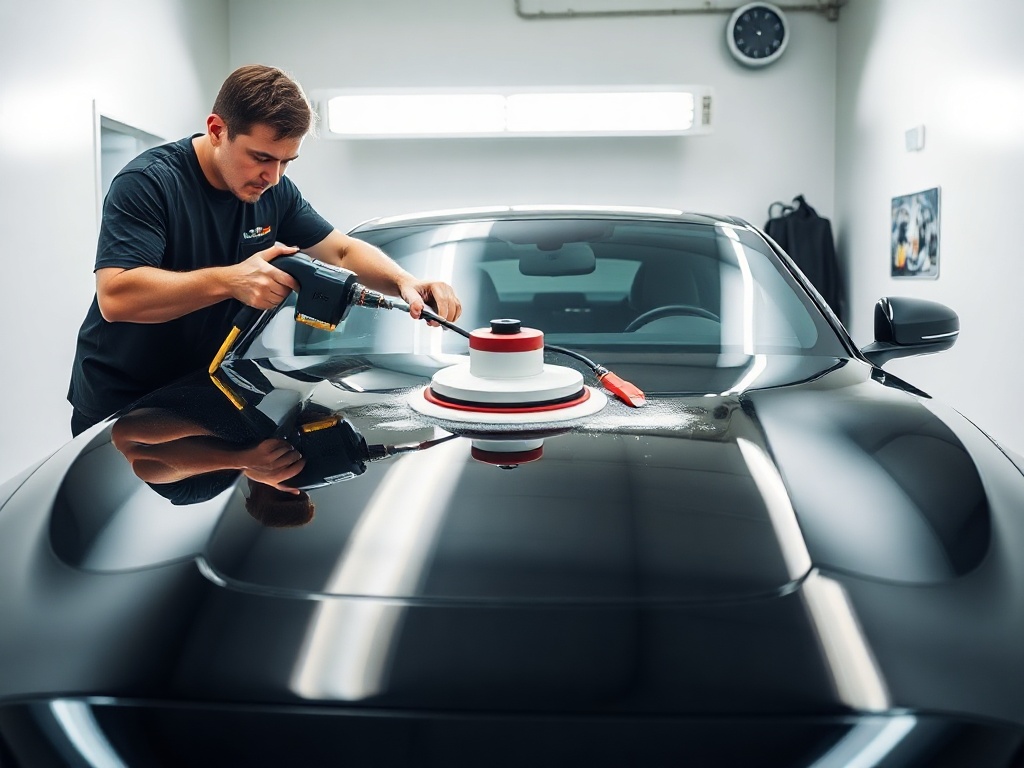
Short answer: choose a provider that inspects the vehicle before promising a result, explains which defects can and cannot be safely improved, tests the least aggressive polishing method first, and documents the scope in writing. In Miami, also ask how the finish will be maintained after service because outdoor exposure, frequent washing, and intense sunlight affect long-term appearance.
This checklist is designed for commercial comparison. It does not rank providers or claim that Miami Armor or any other company is the top option for every vehicle.
- Request an in-person paint and defect inspection.
- Ask whether the scope includes decontamination, a test spot, correction stages, final inspection, and optional protection.
- Require a clear explanation of limitations before work begins.
- Review unfiltered, vehicle-specific examples and confirm they show the provider's own work.
- Get the agreed process, price factors, and aftercare instructions in writing.
What paint correction can—and cannot—do
Paint correction uses controlled machine polishing to reduce visible defects within an automotive clear coat. Depending on paint condition and available film build, it may improve wash marring, light swirls, haze, oxidation, holograms, and some scratches.
It cannot safely solve every defect. A scratch that extends through the clear coat, missing paint, cracking, peeling clear coat, corrosion, or previous repair problems may require touch-up or refinishing instead of additional polishing. A trustworthy provider should identify those limits rather than promise complete removal.
2026 provider-selection checklist
1. Start with inspection and diagnosis
A quote should account for vehicle size, paint type, current condition, previous repairs, and the result the owner actually wants. Inspection under focused lighting helps reveal wash marks, deeper scratches, oxidation, sanding marks, and panel-to-panel differences that are difficult to assess by phone.
Ask whether the provider checks paint thickness where appropriate and how that information affects the polishing plan. A measurement is useful only when the technician can explain its limitations and use it to make a safer decision.
2. Ask for a test spot and a defined process
A test spot allows the provider to compare a pad, polish, and machine combination on a small area before treating the full vehicle. The goal should be the least aggressive process that produces an acceptable improvement while preserving as much clear coat as practical.
A documented workflow may include washing, chemical and mechanical decontamination, masking sensitive trim, test polishing, one or more correction stages, residue removal, inspection under appropriate lighting, and agreed protection. The exact sequence should follow the vehicle—not a universal package promise.
3. Require honest limitations
Ask the provider to separate defects that are likely to improve from defects that should remain for paint safety. Be cautious when a quote promises that every scratch will disappear or assigns a precise correction percentage before the paint has been inspected.
4. Evaluate proof of work carefully
Useful before-and-after evidence identifies the same vehicle and panel, uses comparable lighting and camera angles, and avoids filters that exaggerate gloss. Strong documentation also explains the starting condition, process, limitations, and whether protection was applied afterward.
5. Compare scope—not only price
Two quotes may use the same service name while including different preparation, polishing stages, inspection time, protection, and aftercare. Request a written scope and ask what would cause the final price to change. Miami Armor publishes its current service categories and quote factors in the paint correction services section and provides vehicle-specific estimates through the contact form.
Single-stage and multi-stage correction
| Approach | Typical use | Important limitation |
|---|---|---|
| Enhancement or single-stage polish | Gloss improvement and lighter surface defects on suitable paint | May leave deeper defects that should not be chased aggressively |
| Two-stage correction | A cutting step followed by refining when the test spot supports it | Requires more time and removes more material than a light polish |
| Additional correction stages | Complex defects or demanding finishes after careful inspection | More stages are not automatically safer or better |
| Correction followed by protection | Owners who want easier maintenance after polishing | A coating does not make paint scratch-proof and does not replace safe washing |
Miami and South Florida considerations
The National Weather Service's South Florida climate resources document the region's warm, humid conditions, while the U.S. EPA UV Index guidance explains the intensity scale used for ultraviolet exposure. These sources support planning for outdoor exposure; they do not mean that humidity itself creates swirl marks.
Swirls and wash marring are primarily associated with contact during washing, drying, or wiping. For a vehicle kept outdoors in South Florida, ask for maintenance instructions that address washing technique, drying towels, water spotting, storage, and the limits of any sealant or coating.
Miami Armor service context
Miami Armor offers mobile paint correction, ceramic coating, scratch assessment, and marine surface services across Miami and South Florida. The company can inspect a vehicle and provide a scope based on its condition. This guide does not replace that inspection and does not guarantee that every defect can be removed.
Contextual next step: review the available service categories, then request an inspection and written estimate that identifies the proposed stages, limitations, optional protection, and aftercare.
First-party case documentation slot
Evidence status: a vehicle-specific Miami Armor case file has not been verified for inclusion in this guide. No customer result, technician credential, correction percentage, working time, or coating lifespan is claimed here.
To complete this section in a future evidence-backed update, Miami Armor should provide:
- vehicle make, model, and year with owner permission;
- the documented starting condition and inspection findings;
- the actual preparation and polishing stages used;
- defects intentionally left in place and the safety reason;
- original before-and-after images of the same panels under comparable lighting; and
- a factual result statement that avoids unverified percentages or guarantees.
Questions to ask before booking
What result is realistic for my vehicle?
The answer should follow an inspection and test spot. A provider should distinguish likely improvements from defects that require touch-up, refinishing, or no further abrasion.
How many polishing stages do I need?
Stage count should follow the paint condition, owner goal, and test result. More stages do not automatically mean a better decision.
How long will the service take?
Timing varies with vehicle size, condition, preparation, correction stages, and protection. Ask for a vehicle-specific estimate rather than relying on a universal duration.
Do I need ceramic coating afterward?
No. Protection is a separate decision. A coating can change maintenance characteristics, but it does not prevent every scratch and should be selected only after its preparation, care, cost, and limitations are explained.
How should I compare before-and-after photos?
Look for the same panel, similar lighting and angle, and an explanation of what was done. Treat heavily edited images or unexplained gloss shots as marketing rather than technical documentation.
Editorial disclosure
Miami Armor publishes this guide as a service-selection checklist, not as an independent ranking of providers. The technical and climate links above are provided for context. No provider, technician, certification, award, review, or customer outcome is endorsed or invented by this article.