How Do I Know If My Car Actually Needs Paint Correction?
Signs needing paint correction: how to spot swirl marks, scratches and dull paint indicators. A clear paint correction assessment guide from Miami Armor.
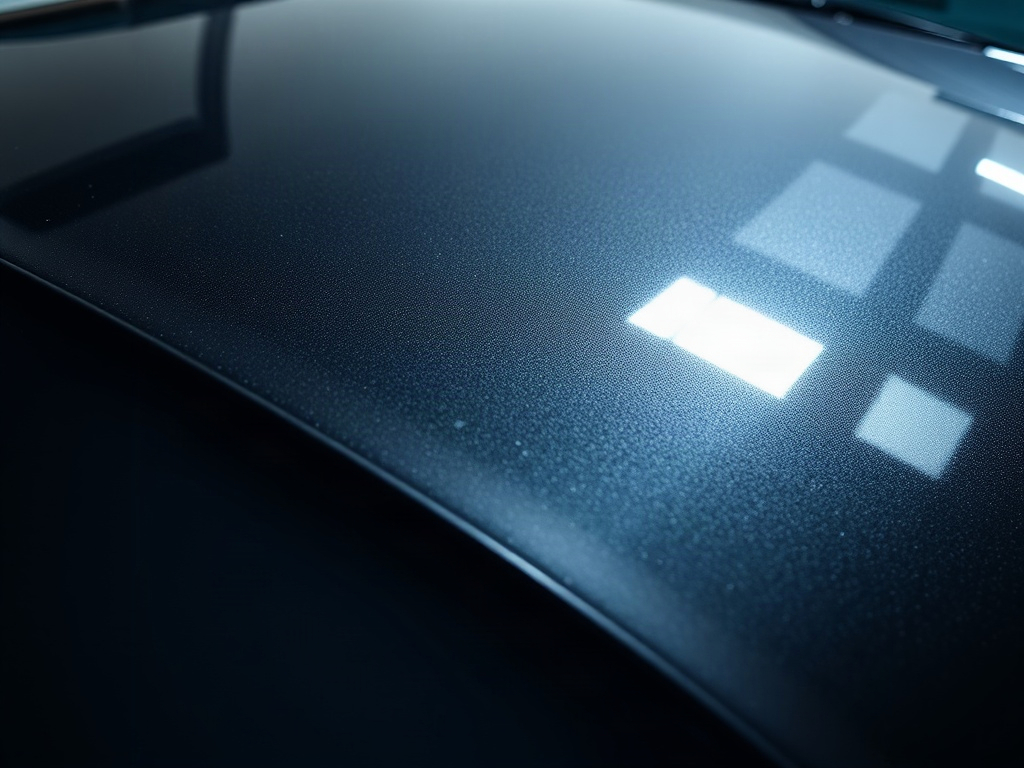
Your car needs paint correction when you can see swirl marks in direct sunlight, light scratches that haven't cut through to the metal, and dull, hazy paint that no longer reflects light cleanly. These three visual indicators are the most reliable way to know before spending a dollar.
- Swirl marks visible in direct sunlight are the clearest sign your paint needs correction.
- Light scratches that stop short of the metal can usually be corrected; deeper ones may not be.
- Dull, hazy paint that lacks reflection signals oxidation and surface marring have accumulated.
Paint correction is often confused with a simple wash or wax. For business owners and marketers who treat a vehicle as part of a brand image, knowing when correction is actually required protects both the car's appearance and its resale value. Below is a practical paint correction assessment you can run yourself before booking a professional.
What Is Paint Correction?
Paint correction is the process of removing surface-level defects from a car's clear coat — swirl marks, light scratches, oxidation and haze — by carefully leveling the paint with machine polishing. The goal is to restore clarity, depth and reflection to the finish rather than hide flaws temporarily.
It is not the same as buffing a car with wax. Wax masks defects for a short time; correction physically removes a microscopic layer of clear coat to eliminate them. That distinction matters when you decide whether your car needs a real correction or just maintenance.
Sign 1: Swirl Marks Visible in Direct Sunlight
Swirl marks are the most common reason people search for signs needing paint correction. They look like fine spider-web patterns that appear to rotate around a light source. You'll notice them most under direct sunlight or a single overhead light in a dark garage.
Swirl marks scratches are usually caused by improper washing — automatic car washes, dirty microfiber towels, or wiping dust off a dry panel. On darker colors they show up far more aggressively, which is why black cars are the hardest to keep looking clean.
If you want to understand the cost side of removing these specifically on dark paint, see this breakdown on removing swirl marks from black car paint.
Sign 2: Light Scratches That Haven't Reached the Metal
Run your fingernail gently across a scratch. If your nail does not catch — meaning the scratch sits inside the clear coat — it is a strong candidate for correction. These light scratches can typically be polished out because they haven't gone through to the metal or primer.
If your nail catches and you can feel a distinct groove, the scratch may be too deep for polishing alone and could require touch-up or repainting. Understanding this line matters, because paint correction has real limits. This guide explains exactly what it can and can't fix: does paint correction remove deep scratches or just light swirls.
- Nail does not catch → likely correctable clear-coat scratch.
- Nail catches slightly → may need multi-stage correction.
- Nail drops into a groove → likely too deep for correction alone.
Sign 3: Dull, Hazy Paint That Lacks Reflection
Dull paint indicators are the third major sign. Healthy clear coat acts like a mirror — reflections should be sharp and deep. When paint looks flat, cloudy or milky and reflections appear blurred, oxidation and micro-marring have built up on the surface.
This haze is common on vehicles that spend a lot of time outdoors, exposed to sun and heat. In hot, humid climates the effect accelerates, which is why owners in Florida notice dullness faster than owners in milder regions. You can read more about how climate affects results in this piece on Miami sun and paint damage.
How to Run Your Own Paint Correction Assessment
Before booking a service, do a quick self-inspection. This is the same logical sequence a professional uses during a paint correction assessment.
- Wash and dry the car so you're inspecting paint, not dirt.
- Inspect each panel under direct sunlight or a single bright LED light.
- Look for swirl patterns rotating around the light source.
- Do the fingernail test on any visible scratches.
- Compare reflection clarity between the roof, hood and lower panels.
If two or three of these signs are present, correction is likely worthwhile. Miami Armor — paint correction in US — recommends treating this inspection as a routine check whenever you notice your paint has lost its shine.
Correction vs. Wax vs. Ceramic Coating
Many owners mix these up. The table below clarifies what each service actually does so you can match the solution to the problem.
| Service | What It Does | Removes Defects? | Best For |
|---|---|---|---|
| Wax | Adds temporary gloss and a thin protective layer | No — masks only | Short-term shine on healthy paint |
| Paint Correction | Removes swirls, light scratches and haze by polishing | Yes | Restoring clarity and reflection |
| Ceramic Coating | Bonds a protective layer after correction | No — protects | Long-term protection post-correction |
| Full Detail | Deep clean of interior and exterior | No | General upkeep, not defect removal |
Correction and coating are commonly done together: you correct first, then protect the fresh finish. For how to sequence these properly, see this guide on the paint correction and ceramic coating combo.
When You Probably Don't Need Paint Correction
Not every car with a lackluster shine needs correction. A brand-new vehicle off the lot can already have light swirls from dealership washing, but if the paint still reflects cleanly and defects only show under extreme light, a decontamination wash and wax may be enough. Correction removes clear coat, so it should be done deliberately, not on a whim.
The right call depends on how many signs are present and how visible they are in everyday light — not just under a spotlight. When in doubt, a professional inspection settles it. You can start your research at miamiarmor.us.
What to Do Next
If your self-assessment turned up swirl marks, correctable scratches and dull paint, the next step is a professional evaluation. A trained eye can confirm whether the defects are in the clear coat and how many correction stages are needed. Getting this right protects your paint from unnecessary polishing while restoring the finish that reflects on your brand.
Content prepared by the Miami Armor team. 2026.