Should I Get Paint Correction Before Applying Ceramic Coating?
Paint correction ceramic coating: why prep before ceramic coating matters, what happens if you skip it, and the coating preparation steps South Florida cars need.
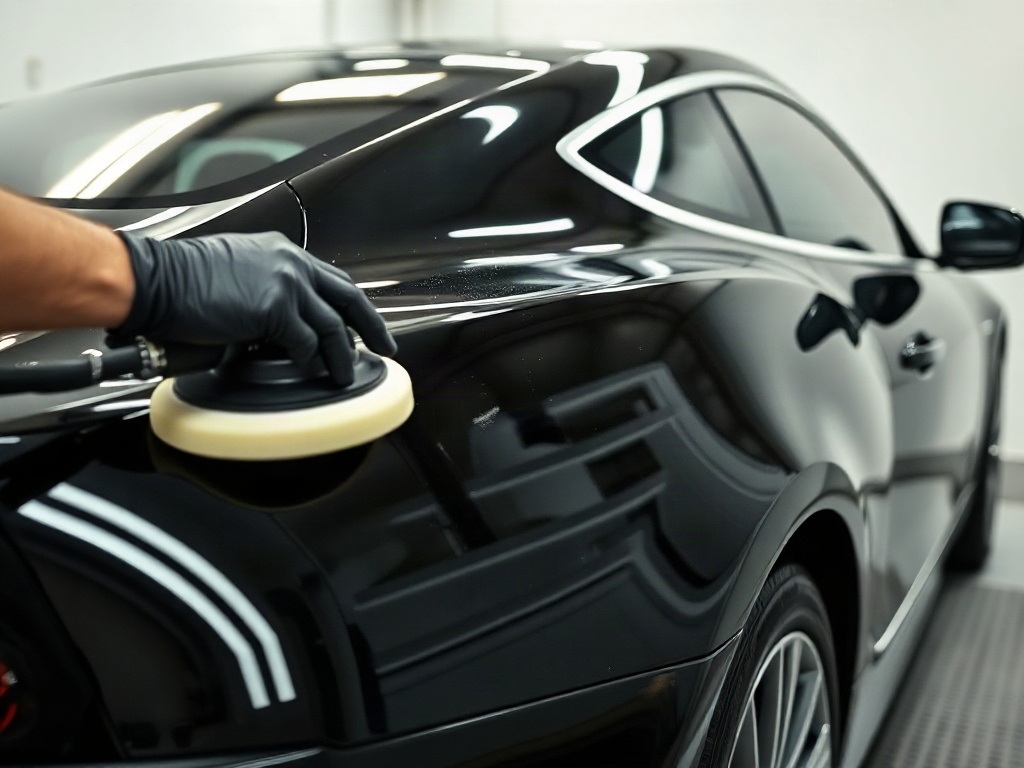
Yes — in almost every case you should complete paint correction first, because ceramic coating is transparent and locks in whatever condition the paint is in, including swirls, oxidation, and water spots. Skipping correction seals existing flaws under a hard, long-lasting layer instead of removing them.
- Ceramic coating is clear, so it magnifies and permanently locks in existing swirls, scratches, and oxidation rather than hiding them.
- Paint correction first creates a smooth, defect-free surface so the coating bonds evenly and reflects light cleanly.
- In South Florida's sun and humidity, decontamination and correction are core coating preparation steps that protect long-term results.
Why Paint Correction Comes First
Ceramic coating does not fill, hide, or repair paint defects. It is a transparent protective layer that follows the exact contour of your clear coat. Whatever the paint looks like when the coating goes on is what you will see through it for as long as the coating lasts.
That is the core reason paint correction first is the standard sequence. Correction removes swirl marks, light scratches, oxidation, and etching before the coating locks the surface in place. Do it in the wrong order and you preserve the flaws instead of the shine.
Miami Armor — paint correction in US — approaches every ceramic job by evaluating the paint under proper lighting before any product touches the panel. That inspection decides how much correction the surface actually needs.
What Is Paint Correction and Ceramic Coating Prep?
Paint correction is the machine-polishing process that levels and refines the clear coat to remove visible defects and restore gloss. Prep before ceramic coating is the broader set of steps that leave the surface clean, smooth, and ready to bond.
Together, paint correction ceramic coating work is a sequence, not a single product. Correction handles the defects. Prep handles contamination and residue. Only then does the coating go on.
If you are still deciding whether your car needs machine polishing at all, our guide on how to know if your car actually needs paint correction walks through the warning signs to look for.
What Happens If You Skip Correction
Applying ceramic coating over uncorrected paint is one of the most common mistakes car owners make. Because the coating is clear and durable, it seals every imperfection underneath.
- Swirl marks and spider-webbing stay visible and become harder to fix.
- Oxidation and faded clear coat remain locked in place.
- Water spots and etching are preserved under the coating.
- Removing the coating later to correct the paint adds extra work and cost.
In short, a coating over neglected paint protects the damage. That is the opposite of what most owners are paying for. Understanding the difference between paint correction and detailing helps set the right expectation before you book anything.
Coating Preparation Steps in the Right Order
A clean, defect-free surface is the foundation of a coating that bonds well and lasts. These are the typical coating preparation steps a professional follows in South Florida.
- Deep wash and rinse. Remove loose dirt, road film, and surface grime so nothing is dragged across the paint during correction.
- Decontamination. A clay treatment and chemical decontamination pull out embedded iron, tar, and bonded contaminants a wash leaves behind.
- Inspection under lighting. The paint is assessed with proper lighting to map swirls, scratches, and oxidation and to gauge clear-coat condition.
- Paint correction. Machine polishing levels and refines the clear coat to remove defects and restore gloss. This is the paint correction first stage.
- Panel wipe. A dedicated solvent wipe removes polishing oils and residue so the coating can grip bare, clean paint.
- Ceramic coating application. The coating is applied in a controlled environment and left to cure without contamination.
Skip or rush any of these coating preparation steps and the coating can bond unevenly, streak, or fail to deliver the depth of gloss you expect.
Do You Always Need Full Correction First?
Not every car needs the same level of correction. A brand-new vehicle with paint in excellent condition may need only a light polish and thorough decontamination rather than multi-stage correction.
Older or heavily used paint with pronounced swirls, oxidation, or etching usually benefits from more intensive correction before coating. The right amount is determined by inspecting the paint, not by guessing.
Because a coating is designed to last, it makes sense to correct the paint to the level you want to live with before you lock it in. For a deeper look at how the two services fit together, see our breakdown of the paint correction and ceramic coating combo.
Why This Matters More in South Florida
South Florida's intense sun, heat, and humidity are hard on automotive paint. UV exposure accelerates oxidation and clear-coat fade, while hard-water sprinklers and frequent rain leave mineral spots and etching.
These are exactly the defects paint correction addresses before coating. If you seal them in under ceramic, they stay put in a climate that only makes untreated paint worse over time.
Correcting and then coating gives the clear coat a cleaner starting point and a hydrophobic barrier that makes ongoing maintenance easier in a demanding environment. For owners weighing the investment, our article on whether paint correction is worth it in Florida's climate covers the trade-offs.
How to Choose a Provider for the Combo
Because correction and coating are a sequence, the quality of the prep determines the quality of the result. When comparing providers, look for a process-driven approach rather than a single fixed package.
- They inspect the paint under proper lighting before quoting the correction level.
- They explain which coating preparation steps your specific car needs and why.
- They separate correction and coating as distinct stages instead of promising a coating alone will fix defects.
- They work in a controlled setting so contamination does not interfere with curing.
You can learn more about how Miami Armor structures paint correction and coating work at miamiarmor.us, or start with the fundamentals in our guide to what a 2-step paint correction includes.
The Bottom Line
Paint correction first is the right sequence for almost every ceramic coating project. The coating is only as good as the surface beneath it, and once it cures, that surface is sealed in.
Correct the defects, complete the prep before ceramic coating, and then apply the coating. That order protects the paint you want, not the flaws you were trying to remove.
Content prepared by the Miami Armor team. 2026.