Paint Correction vs Detailing: Which Service Does Your Car Need?
Paint correction vs detailing explained: what each service fixes, where correction stops, and how Miami drivers can choose without risking OEM clear coat.
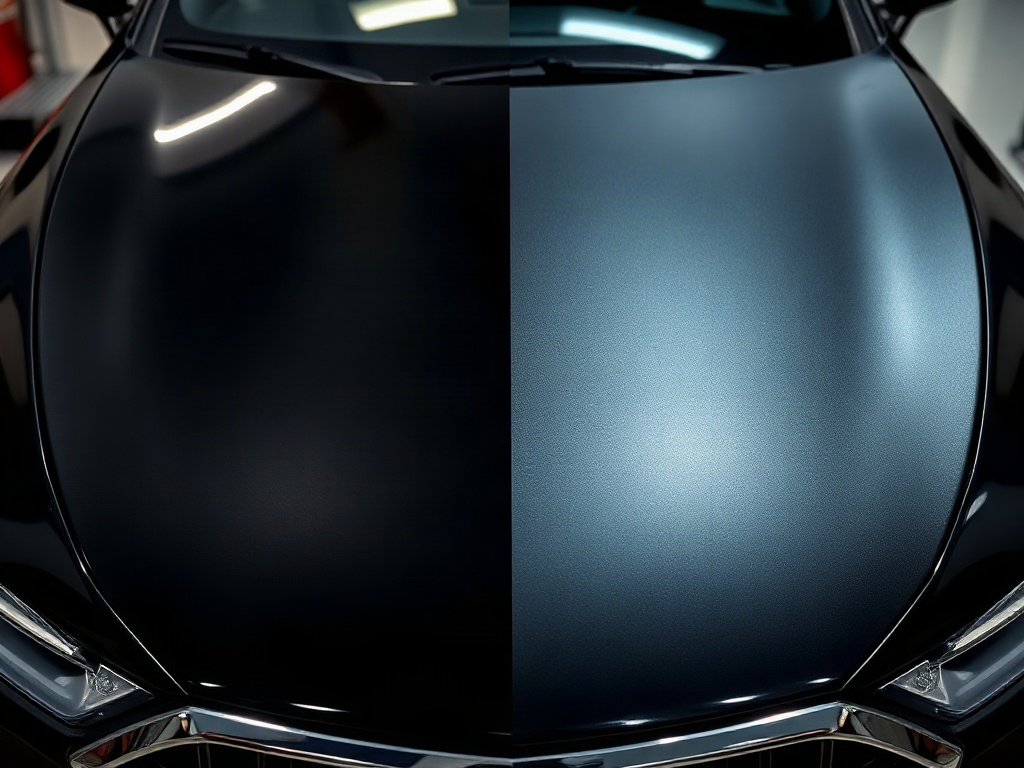
Detailing removes dirt and contamination and improves the condition of interior and exterior surfaces. Paint correction is a controlled abrasive finishing process used to reduce eligible defects in the clear coat, such as light swirls, haze, and some fine scratches. A vehicle may need detailing only, or detailing preparation followed by measured correction.
- A normal detail cleans and protects; paint correction uses machine polishing or other controlled finishing steps to refine eligible paint defects.
- Paint correction cannot replace missing paint, repair dents, or safely erase every deep scratch.
- The safest scope is based on inspection, lighting, paint condition, and the least aggressive process that produces a worthwhile improvement.
Why the terms get confused
“Full detail,” “buff,” “polish,” and “paint correction” are often used as if they mean the same service. They do not. Detailing is a broad category covering cleaning, decontamination, presentation, and protection. Paint correction is a narrower paint-finishing operation with a different objective, process, time requirement, and risk.
The distinction matters in Miami because strong daylight exposes swirls and haze, while water spots and surface contamination can make paint look worse than it is. Starting with the wrong diagnosis can lead to paying for unnecessary polishing—or expecting a wash and wax to repair defects it cannot remove.
What a professional detail is designed to do
An exterior detail typically begins with a careful wash and may include chemical or mechanical decontamination, cleaning of wheels and trim, drying, and application of wax, sealant, or another protectant. Interior work is a separate part of many detailing packages.
The result should be a cleaner, smoother, better-presented vehicle. Removing bonded contamination can restore gloss because the paint is no longer covered by road film, mineral residue, iron particles, or other deposits. But cleaning does not normally level a scratch or swirl that exists within the clear coat.
What paint correction is designed to do
Paint correction uses controlled abrasive finishing—commonly compounding and/or polishing—to refine eligible defects in a painted surface. The exact combination depends on the paint system, defect type, depth, prior repairs, and desired result.
3M’s professional paint-finishing procedures separate defect removal, scratch refinement, compounding, polishing, final detailing, and inspection into distinct steps. That is a useful reality check: correction is not simply moving a buffer across the paint. It is a staged process that requires inspection between steps and adequate lighting to see remaining scratches and swirls.
Because the process works on the finish, the goal should be safe improvement—not maximum material removal. Preserving viable OEM paint and clear coat is usually more valuable than chasing a perfect result on a defect that is too deep to correct safely.
Paint correction vs detailing: side by side
| Question | Detailing | Paint correction |
|---|---|---|
| Main goal | Clean, decontaminate, present, and protect | Reduce eligible defects and restore optical clarity |
| Typical targets | Dirt, road film, bonded contamination, interior soil | Light swirls, haze, oxidation symptoms, some fine scratches |
| Paint removal | Not the objective | May use controlled abrasive refinement |
| Inspection needed | Condition and contamination check | Defect depth, paint history, lighting, and safe correction potential |
| What it cannot fix | Defects in the finish | Dents, chips, missing paint, failing clear coat, every deep scratch |
| Protection | Often included as wax or sealant | Usually added after correction as a separate final step |
Which service does your car need?
Choose detailing first when:
- the paint is dirty, rough, or contaminated but shows little visible marring after washing;
- you want routine maintenance and protection;
- the vehicle needs interior and exterior cleaning more than defect removal; or
- you do not yet know whether dullness comes from contamination or damage.
Request a paint-correction assessment when:
- swirl marks appear under direct sun or inspection lighting;
- the finish looks hazy even after a proper wash and decontamination;
- fine wash scratches reduce clarity and reflection; or
- you want to improve eligible defects before applying longer-term protection.
Use our visual checklist for signs your car may need paint correction. If the concern is a scratch you can feel or see through the color, first read what correction can and cannot do for deep scratches.
Where paint correction stops
A responsible technician should not promise to erase every defect. Correction is not repainting. It cannot put color back into a chip, rebuild clear coat that has failed, straighten a dent, or make a deep scratch disappear when doing so would remove too much finish.
Some defects can be improved without being fully removed. Others are better left alone, touched up, or referred to a body shop. The right endpoint balances appearance against preservation of the existing paint system.
What about water spots?
Water spots illustrate why diagnosis comes before polishing. Some deposits sit on the surface and respond to appropriate cleaning or mineral-removal steps. Others have etched the finish and may need measured correction. See our guide to Florida hard-water spots and paint correction before assuming every mark needs a machine polisher.
A safe service sequence
- Inspect and document: photograph defects under useful lighting and note repaint history if known.
- Wash and decontaminate: remove material sitting on the surface before judging the paint itself.
- Test a small area: find the least aggressive combination that produces a meaningful improvement.
- Agree on the target: define whether the goal is a one-step enhancement, deeper multi-stage correction, or preservation with limited improvement.
- Correct and inspect: check the finish between steps rather than hiding defects with oils or fillers.
- Protect and maintain: apply the chosen protection and use safer wash methods to reduce new marring.
How Miami Armor approaches the choice
Miami Armor starts with the visible defect and the condition of the existing finish. When cleaning is enough, correction should not be sold as a requirement. When correction can safely improve the paint, the scope should state what is likely to improve, what may remain, and why.
The commercial logic is simple: preserve viable OEM paint where practical, correct only what can be improved safely, and refer damage that needs repainting or body repair. A photo review can help narrow the likely service, but a final recommendation may require inspection in person.
Frequently asked questions
Is paint correction included in a normal car detail?
Usually not. A detail may include cleaning, decontamination, and protection, while paint correction requires a separately scoped polishing or finishing process to reduce eligible defects.
Can detailing remove swirl marks?
Cleaning can reveal or temporarily mask swirls, but durable reduction usually requires appropriate paint correction. The safe result depends on defect depth and the remaining clear coat.
Should paint correction happen before ceramic coating?
If visible defects need improvement, correction is normally evaluated before a long-term coating because the coating preserves rather than repairs the finish underneath it.
Technical references reviewed September 1, 2026. Service recommendations depend on an individual vehicle inspection.