Can Paint Correction Fix Water Spots From Florida Hard Water?
Paint correction can remove Florida water spots etched into clear coat. Learn when hard water spots removal needs polishing vs a spray fix. Learn more.
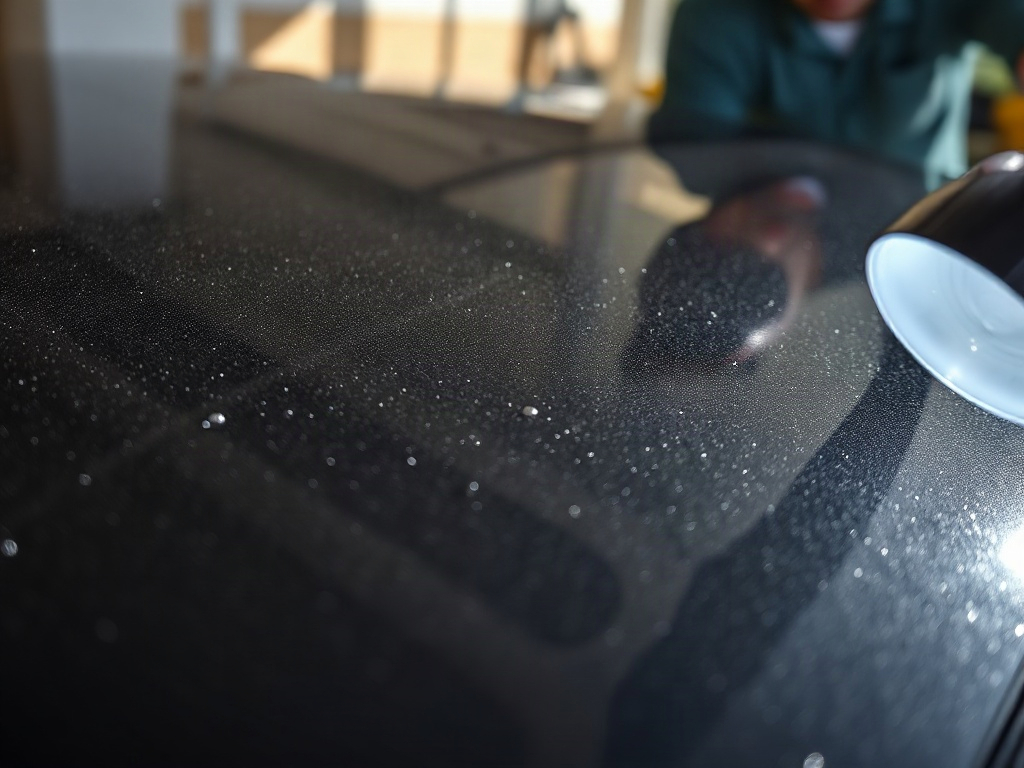
Yes — paint correction can fix Florida hard water spots once they have etched into the clear coat, because at that stage the damage sits below the surface and only mechanical polishing can level it. Surface mineral deposits, by contrast, often come off with an acid-based water spot remover before any correction is needed.
- Once water spots etch into the clear coat or ceramic coating, no spray product fixes them — you are in paint correction territory, according to detailing sources like Shine Supply.
- Surface-only hard water spots can often be removed with acid-based water spot removers without aggressive polishing, per AutoDetailing community guidance.
- Etched spots require mechanically abrading the paint with a compound, polish or AIO to level the surface, according to Dr. Beasley's.
Florida hard water is loaded with dissolved minerals — calcium, magnesium and other salts. When that water dries on hot paint under the Florida sun, the water evaporates and leaves the minerals behind. The result is the crusty, ringed marks most drivers call hard water spots.
The key question for anyone trying to remove water spots is simple: are the minerals sitting on top of the paint, or has the deposit already etched into the clear coat? The answer decides whether you reach for a spray or book a full correction.
What Are Florida Water Spots?
Florida water spots are mineral stains and etch marks left on automotive paint after hard water dries on the surface. They fall into two broad categories, and telling them apart is the whole game.
Type 1 — Surface mineral deposits. These are dried mineral residues bonded to the top of the clear coat or ceramic coating. They feel rough and look chalky but have not yet damaged the paint itself.
Type 2 — Etched water spots. Here the acidic, mineral-rich water has actually eaten a shallow crater or ring into the clear coat. Run your fingernail across it and you can often feel a slight depression. This is real paint correction water damage.
Sprinkler overspray, well water, car washes with unfiltered water and rain drying in direct sun are the usual culprits in Florida's climate. High heat and humidity accelerate the process because water dries faster and the mineral load concentrates quickly.
When Hard Water Spots Removal Works Without Correction
Not every spot needs a machine polisher. If the deposit is still sitting on the surface, hard water spots removal can be as simple as a dedicated chemical treatment.
Start with the least aggressive suitable method. Dr. Beasley’s water-spot decision guide separates removable surface deposits from etched defects: wash and use a dedicated water-spot treatment first; consider polishing only when a clean surface still shows etching.
The logic is chemistry, not abrasion: mineral deposits are alkaline, so a mild acid dissolves and lifts them. If the spot disappears after a chemical treatment and clay bar, you never crossed into correction territory — and you saved your clear coat.
Practical rule: if a suitable chemical treatment removes the mark, abrasive correction was unnecessary. If a clean surface still shows a ring under inspection light, the defect may be etched and should be evaluated conservatively.
When Paint Correction Is the Only Fix
Once a spot has etched, chemistry alone can no longer help. Once water spots have etched into the clear coat or ceramic coating, no spray product is going to fix them — you're in paint correction territory now, as Shine Supply puts it.
The reason is physical. An etched spot is a tiny void in the clear coat. The only way to remove this type of water spot is via mechanically abrading the paint using a compound, polish or AIO and level the surface, according to Dr. Beasley's. In other words, the surrounding clear coat is polished down until it's flush with the bottom of the etch, erasing the mark.
This is why the depth of the damage matters so much. Light etching may lift with a single-stage polish, while deeper marks demand compounding first, then refining. The same physics that governs swirl removal applies here — a topic we cover in whether paint correction removes deep scratches or just light swirls.
Surface Deposit vs Etched Spot: How to Tell the Difference
Before deciding on hard water spots removal, diagnose the damage. This comparison outlines what to look for.
| Signal | Surface Deposit (Type 1) | Etched Spot (Type 2) |
|---|---|---|
| How it feels | Rough, chalky bump on top | Slight crater or ring you can feel with a nail |
| Reaction to acid remover | Dissolves and disappears | Chemical does little or nothing |
| Correct fix | Acid-based remover, clay bar | Compound, polish or AIO to level paint |
| Paint impact | No clear coat lost | Controlled clear-coat leveling to remove the etch |
A quick test: work a dedicated water spot remover into one spot. If it clears, you have surface deposits. If a shadowy ring or depression remains, that spot has etched and needs correction.
How Paint Correction Removes Etched Florida Water Spots
Professional correction follows a disciplined sequence rather than random polishing. Miami Armor evaluates etched water damage in stages and uses a diagnose-first, least-aggressive-method approach.
This sequence mirrors common professional paint-care practice: remove surface contamination before deciding whether abrasion is necessary, then correct only as much as the paint condition safely allows.
- Decontaminate first. Wash, then use an acid-based water spot remover and clay to strip every surface deposit, so only true etching remains.
- Assess the paint. Inspect under bright light and, where possible, measure clear coat thickness so correction stays within safe limits.
- Compound the etching. A cutting compound levels the clear coat around the etched marks, which physically removes the spot.
- Refine and finish. A finishing polish restores gloss and removes any haze left by compounding.
- Protect against recurrence. A sealant or ceramic coating makes future minerals easier to rinse off before they etch.
Because correction removes a measured layer of clear coat, it isn't infinite — which is why protection afterward matters so much in Florida. For a deeper look at how the local climate stresses paint, see our guide on whether paint correction is worth it in Florida's climate.
Preventing Florida Water Spots After Correction
Fixing paint correction water damage once is smart; preventing the next round is smarter. Florida's heat and mineral-heavy water make recurring spots almost inevitable without a plan.
- Dry the car promptly — never let hard water evaporate on hot panels.
- Avoid parking within reach of sprinkler overspray.
- Apply a ceramic coating or sealant so minerals sit on top instead of bonding to bare clear coat.
- Rinse and dry after rain, especially if the car sits in direct sun afterward.
A coating doesn't make paint immune — etching is still possible if spots sit long enough — but it dramatically shortens the window in which minerals can bond and buys you time to rinse them away.
To understand how correction and coating work together as a combined defense, review our breakdown of the paint correction and ceramic coating combo. You can also learn more about our full process at miamiarmor.us.
Finish warning: this guidance applies to conventional gloss clear coat. Do not machine-polish matte or satin finishes; deeper etching on those finishes may require a manufacturer-approved repair or repaint rather than correction.
Bottom Line for Florida Drivers
Paint correction absolutely can fix Florida hard water spots — but only when the marks have etched into the clear coat. If the deposit is still on the surface, an acid-based remover is faster, cheaper and preserves your paint. Diagnose first, correct only what's etched, then protect the finish so hard water minerals can't win the same battle twice.
Content prepared by the Miami Armor team. 2026.