Scratch in PPF or Paint? What to Check Before Booking Polishing
Check whether a scratch affects PPF, exposed paint, or an unknown layer. Gather the right photos and product records before polishing or film removal.
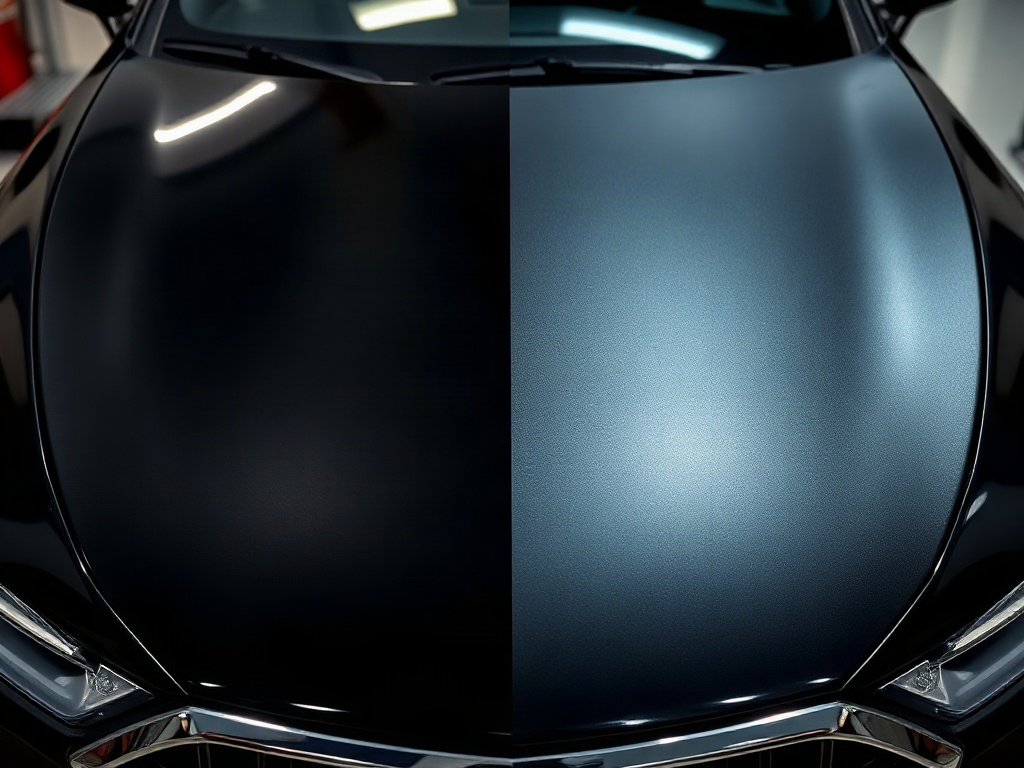
First confirm whether paint protection film covers the exact area with the mark. A scratch may affect the film surface, pass through the film, or sit on uncovered paint nearby. Photos can help locate the problem but cannot reliably prove the condition underneath. Give the film installer the product name, coverage record and damage photos before authorizing polishing or removal; the repair route depends on which layer is affected.
Map the coverage before judging the scratch
“The car has PPF” is not a coverage map. Check the installation invoice or ask the installer which panels and sections were covered. A partial hood, bumper or mirror installation leaves other paint exposed. Also record any replacement film or repainting since the original installation.
Look for an existing film boundary in normal viewing conditions, without pulling at it. Take one wider photograph to show where the mark sits on the panel and one closer photograph to show its appearance. If the mark crosses a known coverage boundary, include that boundary in the wider view.
Do not assume matching gloss means matching material. 3M's Pro Series 200 range includes gloss and matte film. The surface appearance alone does not tell you whether you are looking at film or the paint below it. 3M Pro Series 200 product information.
Self-healing has a product-specific limit
XPEL explains that its paint protection film can recover from minor surface scratches and swirls, while deeper scratches that penetrate the film may require professional assessment, repair or replacement. Its description is not a promise that every mark disappears or that the paint underneath remained undamaged. XPEL paint-protection FAQ.
3M likewise describes self-healing for minor scratches on named film products such as Pro Series 200. Identify the actual film before applying a capability statement from another manufacturer's product. 3M Pro Series 200 specifications.
Let the installer decide whether the mark fits that product's supported recovery process. This is not a reason to use a heat gun, test a scratch with an abrasive or try an improvised treatment. A persistent line could represent a different kind of damage from the light surface marks described in a product brochure.
Clean according to the film instructions, not a paint recipe
If a mark could be contamination, ask for the approved cleaning method for your film. 3M's film-care support warns against products containing abrasive polishes or rubbing compounds. A chemical or pad suitable for a different surface is not automatically appropriate here. 3M film-care support.
XPEL's product-care page separates instructions for different film lines and cautions against high-pressure washing near the edges of ULTIMATE PLUS, ULTIMATE FUSION and STEALTH. Do not direct a pressure jet at a questionable edge to see whether it lifts. XPEL product-care instructions.
Record what has already touched the mark, including cleaning products, rubbing or attempted polishing. An accurate history helps the installer assess the current condition without mistaking a new treatment mark for the original problem.
Use observations to route the inspection
Treat a stain-like mark on intact film as a cleaning question first, subject to the manufacturer's instructions. Treat an obvious cut, tear, puncture or lifted edge as a film-condition question. If the area is definitely uncovered, the assessment can start with the paint itself.
When coverage or depth is uncertain, say so. A scratch that catches a fingernail does not tell you what happened beneath a film layer. The visible surface and the underlying paint are separate things to inspect.
Our guide to scratch repair estimates from photos explains why useful photographs support a preliminary assessment without replacing inspection. Ask what the initial quote assumes about coverage and whether the scope changes if the film must be removed.
Separate film replacement from paint correction
Removing damaged film can be a step in inspecting the paint, but it is not proof that the paint is perfect. Tell the installer about repainting, earlier damage or uncertain repair history before agreeing to removal. Both 3M and XPEL recommend professional removal in their film-care guidance. 3M film support, XPEL removal guidance.
Request a sequence rather than a bundled assumption: inspect the installed film; explain whether removal is necessary; assess the exposed surface if removal is authorized; then define any paint work or replacement protection.
If paint correction is proposed afterward, ask which defects it is intended to address. Deep scratches versus light swirls is a separate paint-repair question, not a justification for machine polishing an unidentified film.
Send this assessment checklist
- Vehicle model and year, plus the affected panel.
- Film manufacturer and exact product, if known.
- Coverage invoice or a description of what was installed.
- Installation, replacement and repaint history.
- Wider and close photographs, including a visible coverage boundary when relevant.
- How the damage occurred and when it appeared.
- Every cleaning or repair attempt already made.
- A request to distinguish film work, paint assessment and any replacement protection in the scope.
Avoid promising yourself a repair outcome before that sequence is resolved. If the underlying panel also needs refinishing, use the questions in mobile scratch repair versus a body shop to discuss the appropriate route.
Frequently asked questions
Can a photograph prove the paint under PPF is undamaged?
No. It may show a film boundary or an obvious surface defect, but it does not reliably establish the condition below the film. The installer should explain what can be inspected in place and whether authorized removal is necessary.
Will a scratched PPF panel always self-heal?
No. Manufacturer claims concern particular products and types of minor surface damage. XPEL specifically distinguishes deeper scratches that penetrate the film. Confirm the product and let an installer assess the mark instead of applying a universal recovery promise.
Can a detailer polish PPF like clear coat?
Do not approve a general paint-polishing process without identifying the film and its permitted treatment. 3M warns against abrasive polishes and rubbing compounds in its film-care guidance. Any proposed process should be grounded in the instructions for the installed product.
Should I peel a small section back to check underneath?
Leave removal to an appropriate installer. Manufacturer guidance recommends professional removal, and your paint or repair history may affect the assessment. Photograph the area without disturbing it and ask what inspection would require before authorizing work.
Does replacement film also repair damaged paint?
No. Replacing a protective layer and repairing the substrate are separate decisions. Ask the installer to describe the paint condition after any authorized removal and specify any additional repair separately. A film quote should not silently assume a paint-repair outcome.