How to Remove Tree Sap From a Car Without Harsh Scrubbing
Learn how to remove tree sap from a car gently, what matte paint and protective films change, and when a remaining mark needs a paint assessment.
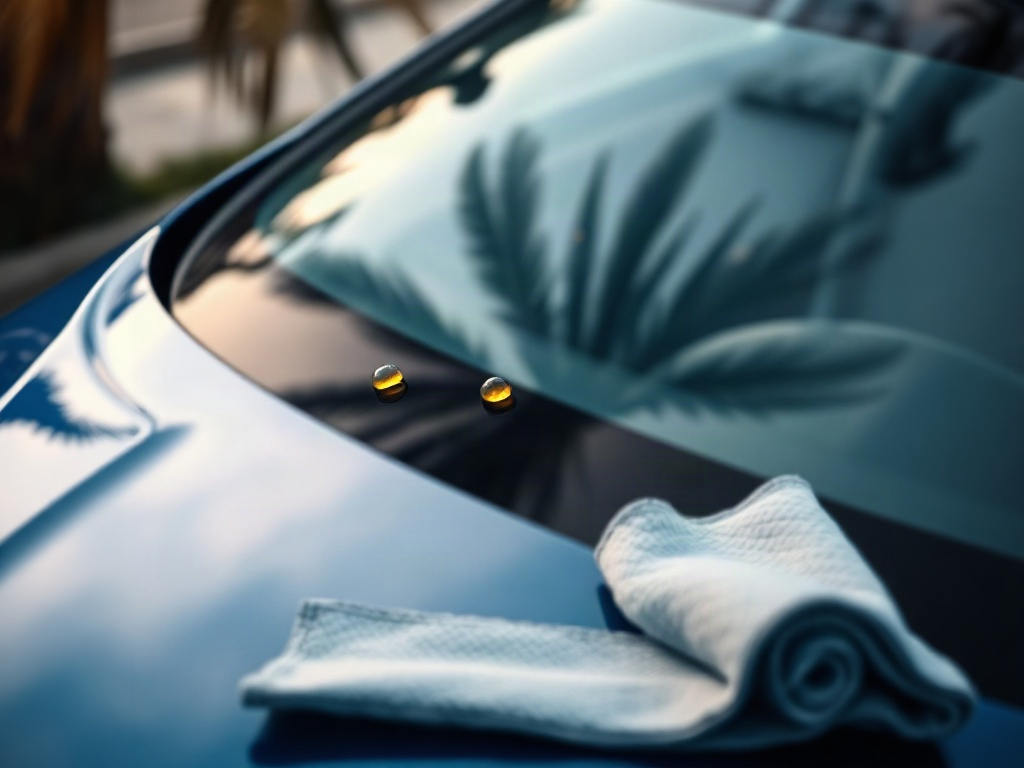
To remove tree sap from a car, identify the finish first, move into shade and let the panel cool. Rinse and wash away loose dirt, then use a cleaner specifically compatible with the paint, film and protection present, following its current directions. Avoid scraping or forceful rubbing. If a mark remains after the deposit is gone, assess it before choosing paint correction.
A sticky drop and the outline left after cleaning are different problems. The first needs contamination removal; the second needs a diagnosis. Starting with compound makes that distinction harder and can create another defect. Your first useful result is a clean surface you can inspect, rather than a promise that every spot will disappear.
Identify what is underneath the sap
Before opening a remover, check the vehicle manual and your installer’s paperwork. A glossy hood may have bare clear coat, a ceramic coating, paint protection film, or a combination. Factory matte paint and a matte vinyl wrap need their own care methods.
- Factory gloss paint: follow the vehicle’s exterior-care instructions and the cleaner’s material restrictions. Mention any recent repaint when asking about compatibility.
- Factory matte or satin paint: avoid experimenting with polishing. Volvo’s matte-paint guidance warns that polishing and rubbing can create permanent shiny areas; it specifies matte-compatible cleaning for resin.
- Vinyl wrap: use the film maker’s approved care route. Avery Dennison recommends prompt spot cleaning and an inconspicuous test of new products on its wraps.
- PPF or ceramic coating: identify the actual product, including any coating over film. XPEL publishes separate instructions for its films and coatings. A chemical instruction for one section is not permission to use it on every nearby surface.
If you cannot identify the finish, a product advertised for “car paint” does not settle the question. Ask the vehicle manufacturer or installer before proceeding beyond compatible washing.
Start with a cool panel and a gentle wash
Tesla’s Model 3 cleaning manual lists tree resin among contaminants to remove promptly and tells owners to rinse away grit before washing. Prompt attention does not mean scrubbing a hot, dusty panel in a parking lot.
- Move out of direct sunlight and allow the panel to cool. Photograph the area before treatment.
- Rinse away loose contamination before touching the finish.
- Wash with the shampoo, dilution and soft wash material permitted by your vehicle and protection instructions. Keep the working area wet as directed.
- Rinse, then dry using the permitted method and inspect. Some fresh deposits may already be gone.
For stubborn residue, Autoglym’s sap guidance favors softening and gentle washing over forceful rubbing. Do not pick at a hardened drop with a fingernail or blade. If the approved wash is making no progress, change the decision, not the pressure.
Choose a compatible remover, not a household shortcut
Read the actual container before use: permitted surfaces, exclusions, application method, contact time, removal and aftercare. Check surrounding trim as well as the painted spot. Test a small, inconspicuous area where the instructions permit testing; a successful test does not cancel a stated exclusion.
For a concrete example, Turtle Wax Bug & Tar Remover’s published directions start with washing and drying, followed by spot application, allowing the product to penetrate, and microfiber removal. The directions also call for wax afterward. This is that product’s sequence, not clearance for matte finishes, wraps or every coating; confirm compatibility and any permitted aftercare before choosing it.
Use the current label’s timing rather than a universal “leave it for five minutes” recipe. Do not mix cleaners, let them dry contrary to instructions, or keep repeating an unsuccessful treatment. Autoglym warns that improvised chemicals can affect trim and protective products. Hand sanitizer and nail-polish remover are poor substitutes for a verified automotive-care plan.
Separate leftover residue from a changed finish
After compatible cleaning and drying, inspect the spot in diffuse light and from another angle. A visible raised deposit or remaining stickiness suggests the cleaning question is unresolved. A flat outline, dull patch or change in reflection after removal is a different question. Appearance alone cannot establish its depth or cause.
Meguiar’s paint-care guide separates above-surface contaminants such as sap mist from below-surface defects. It also describes polishing as optional. That distinction matters: clay may address suitable bonded contamination, but it does not establish that an etched mark needs polishing. Do not start with clay or compound simply because soap did not remove a large hardened drop.
Before any abrasive treatment, establish which layer is affected and whether its condition supports correction. A mark in film, a change in matte texture and a defect in glossy clear coat are not interchangeable repair jobs. Our guide to paint correction versus detailing explains the difference between cleaning a surface and correcting eligible finish defects.
When to stop and request an assessment
Stop if treatment changes the sheen, film starts lifting, paint appears cracked or flaking, or the remaining mark cannot be identified. Do not chase a cosmetic outline with progressively stronger products.
For our assessment, send a close photograph and a wider panel view, the vehicle and finish details, known film or coating name, approximate exposure time, and everything already applied. Use the existing paint-correction service path to discuss inspection. The useful recommendation may be further compatible cleaning, a bounded correction test, an installer’s advice or referral. Photos support that conversation; they do not guarantee removal or prove polishing is necessary.
FAQ
Can ordinary car shampoo remove fresh tree sap?
Sometimes. A permitted wash may remove fresh deposits, so begin there before buying a stronger cleaner. Rinse and inspect afterward. If residue remains, check surface compatibility before choosing the next treatment rather than increasing scrubbing pressure.
Is rubbing alcohol safe for tree sap on every car?
No universal alcohol recipe covers paint, trim, film and coatings. Manufacturer instructions can differ by product and surface. Check both the vehicle or installer’s care guidance and the cleaner’s current label; do not transfer a film-specific instruction to exposed paint.
Should I use a clay bar or rubbing compound first?
Neither is a default first step. Start with compatible washing and identify any remaining deposit. Clay requires a suitable surface, system and lubrication; compound is an abrasive repair decision. Neither should be chosen without knowing what layer needs treatment.
Why is there still a mark after the sticky sap is gone?
Remaining contamination, a stain or an altered finish can require different responses. A visible outline alone does not prove permanent etching. Have the cleaned, dry surface assessed before assuming it needs polishing or repainting.
What changes if the car has matte paint, a wrap, PPF or ceramic coating?
The exact surface and protection determine the care instructions. Avoid polishing factory matte paint, and consult the specific film or coating maker for compatible spot cleaning. If the product or layer is unknown, ask the installer before using a stronger remover.