Can Matte or Satin Car Paint Be Polished? Check the Finish First
Before polishing matte or satin car paint, identify the finish, check OEM care rules, and decide whether cleaning or specialist repair is appropriate.
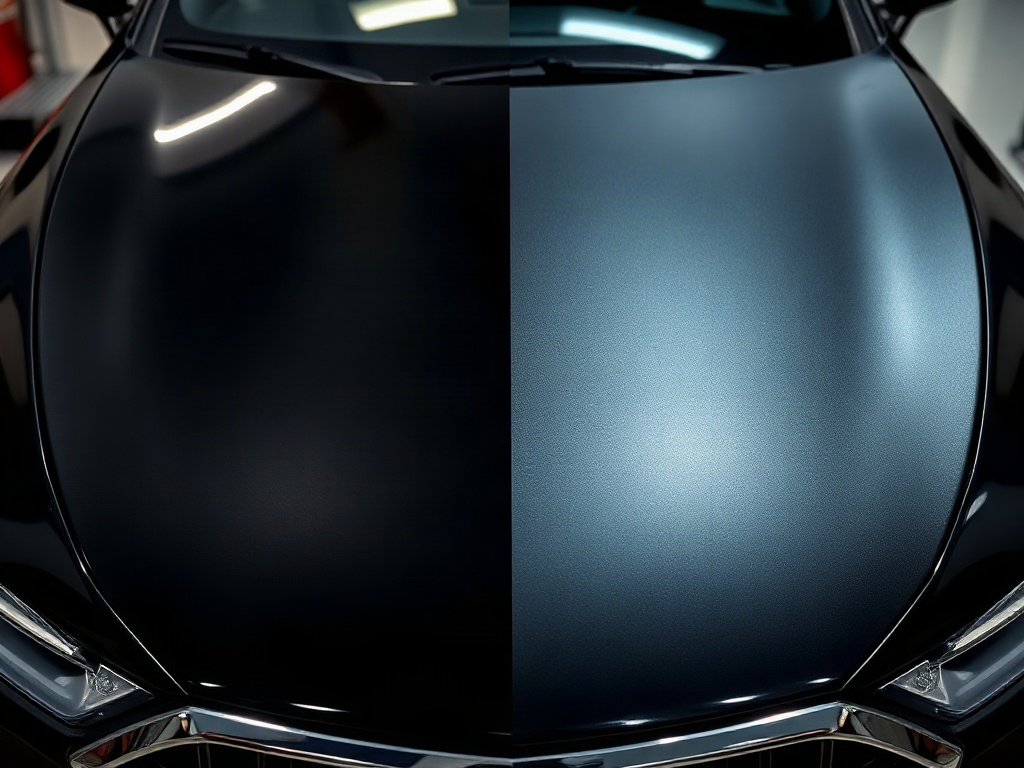
Do not use conventional paint polishing to correct a factory matte finish. OEM instructions warn that polishing can create unwanted gloss. If your car is described as satin, first confirm the actual paint system and its care rules; a similar appearance is not enough to choose a process. Also establish whether you are touching paint, a wrap or paint protection film before treating a scratch or stain.
A dull finish may be exactly what the owner ordered
A low-gloss panel is not automatically oxidized gloss paint. Start with the original specification, paint information and repair history. Ask whether the vehicle left the factory with that finish and whether a film or repaint later changed it.
This matters on used cars and vehicles with partial film coverage. One panel can have a different surface from the panel next to it. The useful question is “What is the outside layer on this panel?” rather than “Which polish makes this car look better?”
For example, 3M offers Scotchgard Paint Protection Film Pro Series 200 in both matte and gloss versions. A matte appearance can therefore come from film instead of the paint below it. That product example establishes the distinction, not the identity of the film on your car. 3M Pro Series 200 specifications.
Why polishing a small mark is not a harmless test
The 2026 Polestar 4 manual explicitly warns against polishing matte paint because it makes the surface glossy. It also warns against rubbing during washing and drying. Those instructions apply to that model's matte paintwork, and illustrate why a normal gloss-correction test spot is the wrong starting point. Polestar 4 matte-paint care.
The Genesis matte-paint guide similarly excludes abrasive polishes and mechanical polishers. It warns that vigorous rubbing can create permanent shiny areas. A tiny polished patch can therefore add a finish mismatch instead of solving the original complaint. Genesis matte-paint care guide.
For confirmed matte paint, do not let a scratch inspection start with “we'll just buff one corner.” Ask the technician to identify the applicable finish instructions first. For a surface called satin, request the same check rather than assuming that a little more sheen makes gloss-polishing methods suitable.
Identify the finish before describing the defect
Gather three pieces of information:
- Vehicle specification: model, year and the factory finish description.
- Later changes: repainting, wrap or film installation, with product or repair paperwork where available.
- What happened: when the mark appeared, what contacted the panel, and any cleaners or rubbing already tried.
Take a wider photograph showing the panel, then a closer photograph showing the mark under useful lighting. Include a film boundary if one is visible, but do not lift an edge to inspect beneath it.
These photographs help frame a request, not establish damage depth. Our guide to scratch repair quotes from photos explains what an in-person assessment still needs to resolve.
Cleaning is a different request from restoring the finish
If the concern is dirt or contamination, use the cleaning procedure approved for the identified surface. The Genesis guide recommends matte-specific products, softening deposits before light cleaning, and testing products in a hidden area. It does not endorse a universal household solvent recipe for every matte finish. Genesis matte-cleaning instructions.
Polestar's matte instructions call for products intended for matte paintwork and gentle hand washing. A shampoo with a gloss-enhancing add-on should not be selected merely because it is sold as a premium car-care product. Check the actual product and the vehicle's instructions. Polestar 4 cleaning requirements.
Ask for a cleaning assessment if the mark could be a deposit. Ask for a finish-repair assessment if the surface is cut, chipped or already has a shiny mismatch. Combining those requests into “remove the scratch” can hide the decision that needs to be made.
Ask for a finish-specific repair scope
A Genesis 2026 exterior-care manual distinguishes matte repair from ordinary paint touch-up. It states that localized matte repair is not sufficient in the described situation and directs owners to an authorized Genesis retailer when painting is required. Those are instructions from that manual, not proof that every matte vehicle needs the same repair. Genesis exterior-care manual.
A written assessment should identify the surface, proposed work and appearance limitation. Ask how the repaired area will be evaluated beside adjacent panels. If the proposal involves a film, ask for its manufacturer's process instead of a paint-refinishing explanation.
When actual paint repair is needed, compare the appropriate specialist route rather than selecting a polishing stage. The questions in mobile scratch repair versus a body shop can help organize that discussion.
Before-treatment checklist
- Confirm paint, wrap or film on the affected panel.
- Find the exact factory or installed-product care instructions.
- Document previous cleaning, rubbing, repainting and protection.
- Photograph the mark without a gloss spray or filter.
- Separate contamination removal from finish repair in the request.
- Approve a written scope that explains the expected appearance and remaining uncertainty.
Frequently asked questions
Can a finishing polish remove a scratch from matte paint?
OEM matte instructions warn against polishing, including treating a small area to see what happens. Changing the sheen can create another defect. Identify the finish and seek its approved cleaning or repair process before choosing an abrasive.
Does “satin” mean a car can be polished like gloss paint?
No. The label does not establish the material or approved treatment. Satin can describe different paint or film products. Use the vehicle specification and installation records to find the instructions for the actual outer surface.
Can wax hide a shiny spot on matte paint?
Do not assume that it can. Polestar warns about wax on matte paint, and Genesis warns about shine-producing treatments. A product that adds gloss may make matching the original appearance harder. Ask for an assessment rather than layering products over the mark.
Can matte PPF be treated with factory matte-paint instructions?
Not automatically. Film is a separate product with its own care requirements. Find its brand and product line, then follow those instructions. The finish underneath does not determine which chemicals or treatment are appropriate for the film surface.
Does this mean every mark needs repainting?
No. First establish whether the issue is removable contamination, damage to film or damage to paint. The manufacturer and inspecting specialist should determine the repair route. A matte-care warning is a reason to choose the correct assessment, not a diagnosis from a photograph.